Leave a Message

Thank you for your message. We will be in touch with you shortly.

Conservation Easements In Teton County: The Basics

January 1, 2026
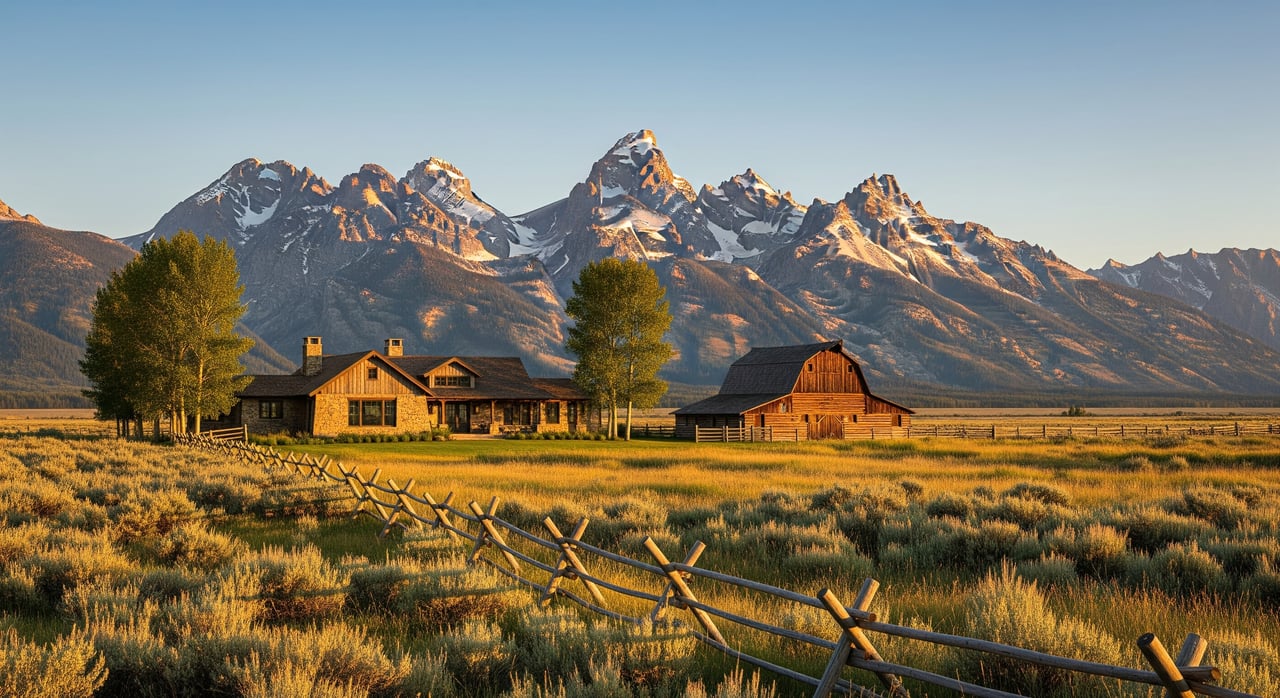
Conservation Easements In Teton County: The Basics

Curious how a conservation easement could shape what you can build, farm, or sell in Teton County? You are not alone. Easements are common across Jackson Hole, and they can be a smart tool for land stewardship, tax planning, and legacy goals when you understand the basics. In this guide, you will learn what an easement is, how it works locally, how it affects value and financing, and the key questions to ask before you buy or sell. Let’s dive in.

What a conservation easement is

A conservation easement is a voluntary, legally binding agreement that limits specific uses of private land to protect conservation values like wildlife habitat, open space, scenic views, agricultural uses, and riparian areas. The restrictions run with the land, often in perpetuity, and are enforced by the easement holder. In Teton County, holders are typically nonprofit land trusts or government agencies.

If you donate an easement for a qualified conservation purpose, federal law may allow a charitable deduction under Internal Revenue Code Section 170(h). That framework requires a perpetual restriction, a qualified holder, a qualified appraisal, and proper IRS reporting. Wyoming has no state income tax, so state income tax credits that exist elsewhere are not part of the picture here.

Many land trusts follow nationally recognized stewardship standards, such as Land Trust Alliance Standards and Practices. You should ask whether the holder follows those standards and how they handle monitoring and enforcement.

How easements show up in Teton County

Local easements often reflect community goals. You will see terms that preserve open space and views visible from public areas, protect elk and moose habitat and migration routes, keep ranchlands in agricultural production, and safeguard creeks, wetlands, and riparian corridors. Many instruments also limit subdivision and residential density in sensitive areas.

Common provisions include:

  • Permitted uses, such as agriculture, limited residential use, and sometimes trails or outbuildings.
  • Prohibited uses, such as subdivision, new commercial development, mining, dredging, or certain new roads.
  • Reserved rights for the landowner, like occupying a residence, building limited structures within a defined building envelope, continuing agricultural operations, leasing the property, and selling or bequeathing the land.
  • Building envelopes or footprints that map where structures may be placed and how large they can be.
  • Subdivision and density restrictions that limit or extinguish development rights.
  • Public access terms that vary widely. Some easements permit trails, others prohibit public access. The document controls.
  • Water and mineral rights clauses that specify what is included or excluded from the conservation grant. These are especially important in the West.
  • Rights of entry for monitoring and baseline documentation that records the property’s condition at the time of the easement.
  • Amendment or termination clauses that explain limited conditions for changes and how proceeds are handled if an easement is ever extinguished by court or condemnation.
  • Stewardship funding, often a one‑time endowment to support perpetual monitoring and enforcement.

Locally relevant organizations include Teton Regional Land Trust, Teton County Planning and Development Services, the Teton County Assessor, the Wyoming Game and Fish Department, and the Teton Conservation District. Each plays a different role in land use, wildlife guidance, and tax or planning questions.

How an easement impacts use, value, taxes, and resale

A conservation easement narrows future land uses to those specifically permitted. It can limit subdivision, change how many dwellings you can build, and restrict certain commercial activities. Before you buy or plan a project, confirm what uses remain and whether the holder must approve future changes.

Valuation is typically determined using a before‑and‑after appraisal approach for donation purposes. In this model, a qualified appraiser measures the value of the development rights that are extinguished. In a high‑value market like Teton County, the absolute dollar impact can be significant, because pre‑easement development potential is often valuable.

For property taxes, an easement can reduce assessed value if the assessor recognizes a lower market value due to the restrictions. Practices vary by jurisdiction, so contact the Teton County Assessor to understand current procedures. Keep in mind that assessment changes may not be automatic.

Financing can look different on conserved land. Lenders may require subordination of any existing mortgage to the easement, or they may request additional documentation. Some lenders are cautious with heavily restricted property or may require a higher down payment, so it is smart to engage a lender early if you plan to buy or refinance.

On resale, the buyer pool narrows to those who accept the conservation purpose and limits. That can reduce price relative to unrestricted parcels, and it may extend time on market. For buyers who value guaranteed open space, wildlife habitat, or agricultural continuity, an easement can be a positive feature that aligns with long‑term stewardship goals.

Ongoing stewardship obligations are usually modest, such as annual monitoring by the holder. That said, you may need to notify the holder before certain work. Failure to comply can result in enforcement actions or restoration requirements, which can be costly.

Key questions to ask upfront

Before you proceed, ask the seller and the easement holder:

  • Who holds the easement and do they follow recognized stewardship standards?
  • Is the easement perpetual? If not, when could it be amended or terminated?
  • What rights are restricted and what rights are reserved to the landowner? Request a plain‑language summary and a map.
  • Is public access required, permitted, or prohibited?
  • How are water rights and mineral rights handled, and are there limits on their use?
  • What agricultural or commercial uses are allowed, such as grazing, haying, or leasing?
  • Is there a baseline documentation report and can you review it?
  • Are there stewardship fees or endowment obligations, and what is expected annually?
  • What notice and approval processes apply for construction, fences, roads, or vegetation management?
  • How has the holder enforced easements in practice, and can they share examples?
  • Have they amended or extinguished any easements in the past, and under what circumstances?
  • If there is a mortgage, has the lender consented and will subordination be required?
  • How are proceeds handled if the easement is extinguished by court or eminent domain?
  • How might the easement affect property taxes here, and what does the Assessor require?

How to read the recorded easement

Use this checklist when you review the instrument and exhibits:

  • Definitions for key terms like structure, accessory, agriculture, or public access.
  • Legal description and any maps showing building envelopes, access points, and restricted areas.
  • Clear lists of permitted and prohibited uses, side by side.
  • Reserved rights, including dwelling number and size, leasing, signage, and fencing.
  • Building envelope size, location, setbacks, and caps on expansion.
  • Subdivision, clustering, and density clauses, and whether rights are fully extinguished.
  • Water and mineral rights language, including any limits on extraction or diversion.
  • Amendment, termination, and extinguishment provisions, plus proceeds allocation.
  • Notice, approval, and consent procedures, including timing and format.
  • Enforcement remedies, restoration obligations, and responsibility for costs.
  • Transferability language that binds successors, heirs, and assigns.
  • Entry and monitoring rights, frequency, and notice requirements.
  • Baseline documentation references and whether it is part of the record.
  • Certificate of title or lender consents and any subordination agreements.
  • Endowment or stewardship funding terms and any ongoing fees.
  • Any government programs, co‑holders, or overlapping scenic or habitat easements.

Build the right Teton County team

A strong team helps you avoid surprises and protect value:

  • A conservation attorney with easement and state law experience.
  • A qualified appraiser skilled in conservation easement valuation.
  • A local real estate advisor experienced with conserved properties in Teton County.
  • A title company that can confirm recording history, priority, and lender consents.
  • A lender who understands conserved collateral and subordination requirements.
  • The easement holder’s stewardship staff for interpretation and monitoring history.
  • Teton County Planning and Development Services and the Teton County Assessor for land use and tax implications.

Practical next steps in Teton County

When you are ready to move forward:

  • Obtain the recorded easement and all exhibits, including the map, baseline documentation, and any amendments.
  • Meet with the holder to understand how they interpret terms, approvals, and monitoring. Ask for examples of similar properties.
  • Order a title search with a firm experienced in conserved land.
  • If you plan a donation or need valuation guidance, engage a conservation attorney and a qualified easement appraiser early.
  • Contact the Teton County Assessor to discuss how easements affect assessments locally and what documentation is needed.
  • Talk to lenders in advance to confirm loan feasibility and any subordination requirements.
  • Ask the land trust about stewardship budgets, monitoring expectations, and historical enforcement practices.

If you want a second set of eyes on how an easement aligns with your goals, you can pair this checklist with a clear plan for land use, family needs, and long‑term stewardship. You will be better positioned to negotiate timelines, approvals, and pricing, and to choose the lending and advisory team that fits your strategy.

Ready to evaluate a specific property or prepare your land for market with an easement in place? Reach out to Deirdre Griffith for thoughtful, locally grounded guidance on conserved ranch and mountain properties in Jackson Hole.
FAQs

What is a conservation easement in Teton County?

  • It is a voluntary, recorded agreement that limits certain land uses to protect conservation values, usually in perpetuity, and is enforced by a land trust or government holder.

Who can hold a conservation easement on my land?

  • Typically a nonprofit land trust or a government agency. In Teton County, local and regional land trusts and conservation agencies are common holders.

How do conservation easements affect property value in Jackson Hole?

  • They usually lower value relative to unrestricted land by removing development rights, measured by a before‑and‑after appraisal performed by a qualified appraiser.

Can a conservation easement reduce my property taxes?

  • It can if the assessor recognizes reduced market value due to restrictions. Practices vary, so you should contact the Teton County Assessor for local procedures.

Will an easement make financing harder when I buy or refinance?

  • Some lenders require mortgage subordination or additional documentation, and a few may be cautious with heavily restricted parcels. Engage lenders early to confirm options.

Does a conservation easement always allow public access?

  • No. Public access varies by document. Some easements allow trails, others prohibit public entry entirely. The recorded instrument controls the answer.

What should I review first in a recorded easement?

  • Start with permitted and prohibited uses, building envelopes, subdivision clauses, water and mineral rights, notice and approval procedures, and enforcement provisions.
Deirdre Griffith

About the Author

Deirdre Griffith

Deirdre Griffith has called the Mountain West home for over 15 years and enjoys all it has to offer. As a real estate investor herself, Deirdre diligently tracks local residential markets, financial markets, as well as a broad range of ranches and outfits. 

Work With Deirdre

" Deirdre is hands down one of the best real estate professionals we have ever worked with. At all stages of the journey. “ - Buyer, November 2021