The Boundary That Turns Jackson Hole's Elk Bugle Into a Countdown
October 1, 2026
October 1, 2026
Somewhere past six in the morning in the last week of September, the valley starts making a sound most people who live here already know how to place without opening their eyes: a low moan sliding into a thin, cracking whistle, hanging in the cold air for a few seconds before it dissolves into the sage. A bull elk is announcing himself to whatever cows and rival bulls happen to be listening, and this particular ritual has been running through Grand Teton country every September for longer than anyone's mortgage.
What most residents don't think about while they're standing on the porch with a mug of coffee, trying to guess which drainage the sound is coming from, is that the exact same bugle means something completely different depending on which side of an invisible line the bull is standing on.
The rut isn't a single event happening in one place. It's the tail end of a migration that starts earlier in the summer, when elk that spent the warm months scattered through the Tetons, the Gros Ventre range, and the Absaroka high country begin working their way down toward the valley floor as temperatures drop. By late September, a good portion of the Jackson elk herd is already funneling through the park interior, which is exactly why the classic listening spots sit where they do: Willow Flats Overlook and Oxbow Bend near Jackson Lake Lodge, the meadows around the old White Grass Ranch site off the Death Canyon Road, and the loop around Gros Ventre Campground near Kelly, where bulls sometimes spar close enough to the road to be heard from a parked car.
None of this is the same phenomenon as the National Elk Refuge sleigh rides that draw winter visitors north of town. The refuge stays largely empty of elk through the fall, according to U.S. Fish and Wildlife Service field notes, because the herd doesn't finish pushing down out of the mountains until snow forces the last animals off their summer range, typically well into November and December. The bugling season and the refuge season are two different months entirely, even though people sometimes talk about them as one thing.
Grand Teton National Park is carved up, for hunting-regulation purposes, into elk hunt areas that Wyoming Game and Fish and the National Park Service manage jointly. One of those units, Area 79, covers a large stretch of the park's interior and is officially labeled Teton Park in the state's own hunt area descriptions. At its April 22, 2026 season-setting meeting, the Wyoming Game and Fish Commission added permits in several regions around the state but left Area 79 closed to all elk hunting, the same status it's carried for years.
The only hunting that happens inside Grand Teton at all runs through a separate mechanism called the elk reduction program, tied to a different unit, Area 75, known as Snake River. Anyone hunting under that program has to apply specifically for Area 75 and carry hunter safety certification regardless of age, a requirement the National Park Service applies only to hunts inside park boundaries. That season doesn't open until November 14 and runs through December 6, weeks after the last bull has stopped bothering to bugle. Which means the ground under Willow Flats, Oxbow Bend, and most of the White Grass Ranch meadows stays completely off-limits to hunting for the entire stretch of September and early October when people are actually out there listening for it.
Step outside the park boundary into the surrounding Bridger-Teton National Forest, and the legal picture changes fast. Wyoming's archery elk season opens statewide on September 1 and runs through the end of the month, landing directly on top of peak bugling activity. General rifle season follows a couple weeks later, typically opening around October 15 and continuing through the end of the month in most general hunt areas. That's the same six-week window locals spend on their decks trying to place a call by ear.
This isn't an abstract overlap. Wyoming Game and Fish has spent recent seasons working through a documented split within the Jackson elk herd itself: some animals are long-distance migrants that summer as far away as Yellowstone and the Teton Wilderness before working back down through the park, while others are short-distance migrants that stay closer to home, summering on the West Bank of the Snake River. A bull from the first group can spend nearly the entire rut inside protected park ground. A bull from the second group might be moving through actively hunted national forest country the whole time. Two bugles heard from the same driveway ten minutes apart can represent two entirely different legal situations, depending on which herd segment that particular animal belongs to.
For anyone walking the Gros Ventre Campground loop or driving out toward Kelly in October, it's worth knowing that stretch of country sits close to where Bridger-Teton hunt units begin. The state's own hunt area language places the boundary of one of those units, Area 80, right at the divide between the Gros Ventre River and Flat Creek east of Kelly, which is close enough to some of the classic rut-viewing pullouts that hearing distant gunfire in October there isn't unusual or alarming. It just means you've crossed out of the closed zone.
The spots that stay hunt-free straight through peak rut are the ones that sit deep inside the park interior:
None of this changes how the bugle sounds. It changes what's actually happening a few miles in either direction while you're listening to it, and for anyone who's spent a fall or two here, that's usually the part nobody explains until you go looking for it yourself.
If you're the kind of person who wants to understand not just the sound but the actual lines drawn across this valley, the boundaries between park and forest, protected ground and working land, that's the same kind of terrain literacy that matters when you're evaluating property here too. Deirdre Griffith spends as much time reading those lines on a plat map as she does listening for elk in October. Let's connect to explore Jackson Hole opportunities.
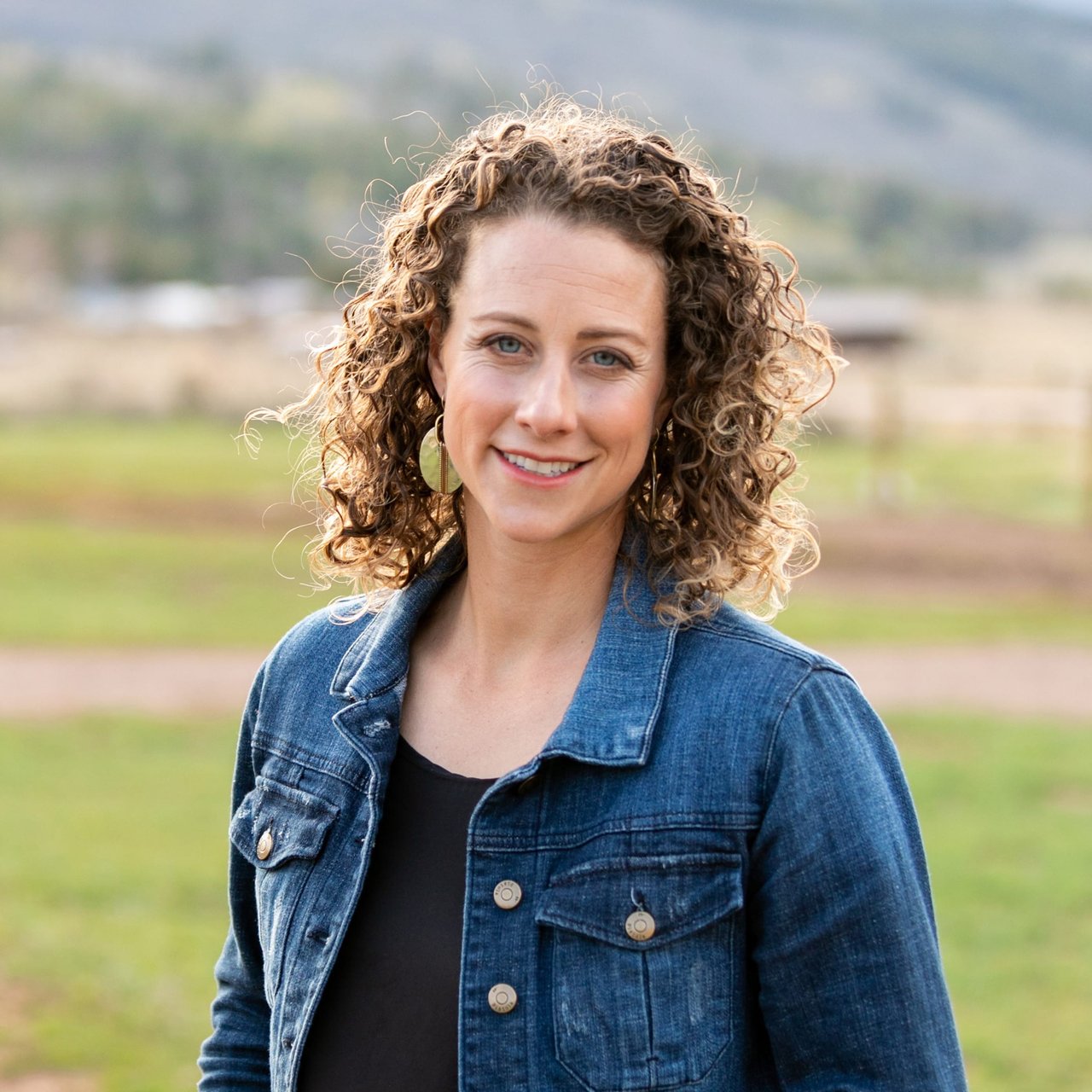
Deirdre Griffith
Deirdre Griffith has called the Mountain West home for over 15 years and enjoys all it has to offer. As a real estate investor herself, Deirdre diligently tracks local residential markets, financial markets, as well as a broad range of ranches and outfits.
Stay up to date on the latest real estate trends.
October 1, 2026
September 24, 2026
September 17, 2026
September 10, 2026
September 3, 2026
August 27, 2026
August 20, 2026
August 13, 2026
August 13, 2026
" Deirdre is hands down one of the best real estate professionals we have ever worked with. At all stages of the journey. “ - Buyer, November 2021