Inside the Jackson Hole Second Home Lifestyle
February 5, 2026
February 5, 2026
What if owning a home gave you front‑row access to mountains, wildlife, and world‑class skiing, all in a small town with a strong sense of place? If you are eyeing Jackson, you are probably drawn to that mix of rugged beauty and refined ease. You also want the truth about day‑to‑day living, from winter logistics to short‑term rental rules. This guide walks you through what life really feels like as a full‑time or second‑home owner in Jackson, WY, so you can plan with confidence. Let’s dive in.
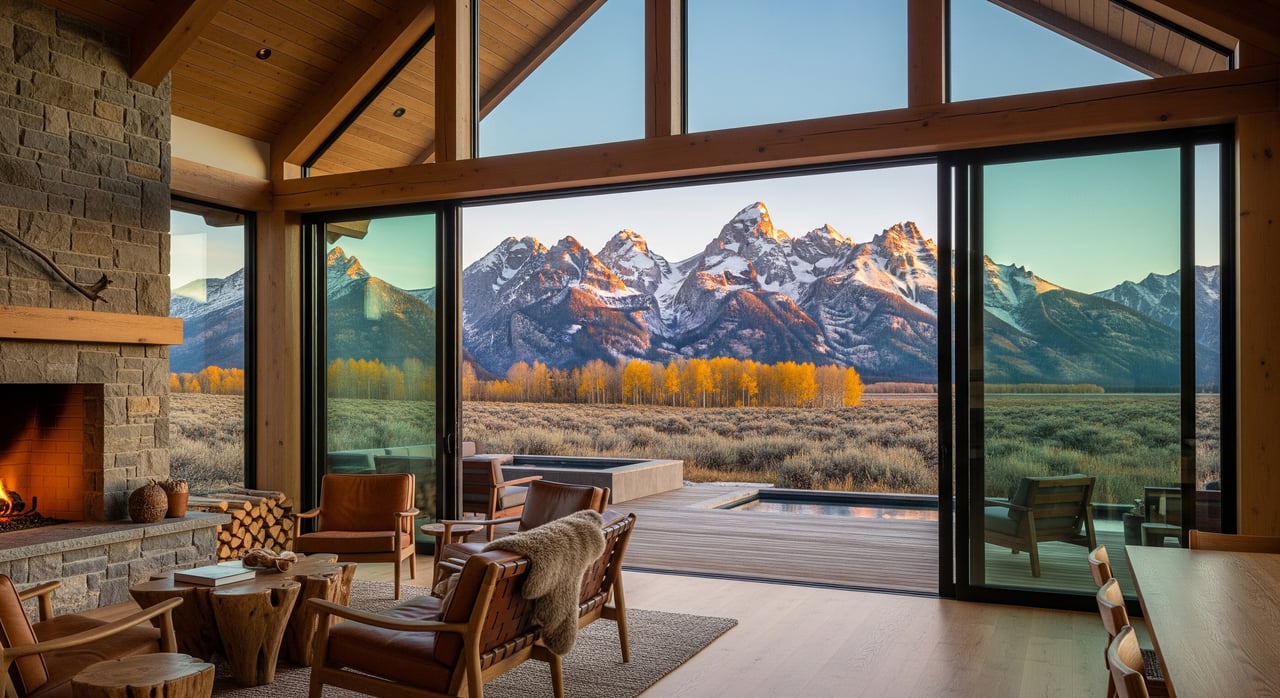
Jackson sits in a scenic valley bordered by Grand Teton National Park and Bridger‑Teton National Forest, with Yellowstone to the north. The surroundings are a huge draw, and protected lands shape how and where people live.
The housing market reflects that reality. Prices are high and supply is limited, influenced by scenic demand, second‑home ownership, and a constrained land base. You will see a mix of in‑town single‑family homes, condos, luxury ski properties near Teton Village, and larger rural parcels. New development is physically and politically constrained, so patience and flexibility help when searching.
Wyoming’s tax landscape is attractive for many buyers. There is no state income tax, and the state is generally considered tax‑friendly. At the same time, property tax bills can be substantial because assessed values in Teton County are high. If you are comparing to a metro area, expect to pay a premium for the access and scenery you are buying.
Jackson runs on a distinct rhythm. Winter and midsummer are busy, while spring and late fall are quieter and more variable.
High season visitor flows mean you should expect traffic near downtown, Teton Village, and popular trailheads. Parking can be tight in core areas with time limits or paid options in place. Service levels can vary if staffing ebbs during shoulder seasons. A little planning goes a long way: book dining, arrive early for outdoor outings, and understand your neighborhood’s seasonal patterns.
Jackson Hole Airport (JAC) is the primary gateway, with year‑round and seasonal nonstop connections to major hubs. Flight availability can vary by season, so check schedules as you plan visits or rentals. Some owners drive in from regional metros. Winter storms can extend drive times, so budget margin when conditions are active.
Inside the valley, the START Bus connects town, neighborhoods, and ski areas on core routes. Shuttles operate to the resorts. Biking and walking are excellent in good weather. Rideshare availability can be limited at peak times, with local taxi and shuttle companies filling gaps. In winter, snow and ice change the equation, so secure suitable tires and give yourself extra time.
Living in Jackson is both simple and specialized. You have what you need, but some choices differ from big‑city life.
You will find full‑service grocery stores and everyday retail in town. Selection is smaller than large metros, and specialty items can cost more or be seasonal. Many residents keep a small pantry buffer and plan ahead for holidays and winter storms.
St. John’s Health offers emergency and routine care. For major or specialized treatment, many residents travel to larger regional medical centers. If you have ongoing specialty needs, line up providers early and understand medevac or transport options.
Public schools operate through the Teton County School District, and private options exist. Space can be limited and waitlists are common for certain programs and preschools. New full‑time residents should plan enrollment timelines well in advance.
High‑speed internet is available in much of town and resort areas. Outlying properties may rely on fixed wireless or satellite. Confirm upload and download speeds if you work remotely, and consider backup power for winter outages.
In‑town homes typically have municipal water and sewer. Rural properties often use well and septic. Heating varies by location and design. Natural gas serves many in‑town areas, while propane, electric resistance, and heat pumps are common elsewhere. Strong insulation and reliable systems are essential for long, cold periods.
Bear‑resistant trash storage is required in many parts of the valley. Secure all attractants, store trash correctly, and follow local ordinances. If you keep items like bird feeders or outdoor freezers, consider electric fencing or alternative storage to reduce wildlife conflicts.
Snow is part of life here. Plan for driveway and walkway clearing, roof load management, and winterization. Many second‑home owners contract property managers for snow removal, routine checks, and utility oversight. A proactive plan protects your home and makes winter enjoyably low friction.
START Bus offers reliable in‑valley transit, with shuttles to ski areas. Walking and biking are popular spring through fall. In winter, think winter tires, defensive driving, and extra time. Rideshares can be spotty, so have backup options for peak evenings and storm days.
You live here for outdoor access, and it is as good as it looks.
Downhill skiing at Jackson Hole Mountain Resort and Snow King, cross‑country skiing, snowshoeing, snowmobiling in designated areas, hiking, mountain biking, rafting, and fishing are all close. Popular trailheads can fill early. Start early or plan midweek to ease parking.
Elk, moose, black and grizzly bears, bison in park areas, coyotes, and occasionally wolves or mountain lions call this landscape home. You may see wildlife in town, especially in fall and winter. Keep distance, secure trash and pet food, and learn local “Bear‑Wise” practices. Carry bear spray when recreating in bear country.
Winter brings heavy snow and icy roads. Backcountry terrain carries avalanche risk, so take training if you venture beyond the resorts. In summer, thunderstorms and high‑elevation lightning are common, and wildfire smoke can affect air quality during active fire seasons. Spring runoff can impact low areas. If you are buying near waterways, check floodplain status and plan accordingly.
Much of the recreation happens on federal lands with specific regulations. Park rules differ from national forest rules, and winter motorized use is limited to designated zones. Watch for seasonal closures to protect wildlife and habitat.
Jackson’s beauty and access come with specific costs and regulations. Build them into your planning.
Short‑term rentals are regulated at the town and county level. Rules vary by zoning and can change. Registration, permits, and compliance are enforced locally. Confirm current ordinances and approvals for your intended use, whether that is short‑term rental, long‑term rental, or primary residence.
Wyoming’s lack of state income tax is a benefit for many owners. Property taxes are determined locally and can be meaningful due to high assessed values. Insurance premiums may be higher in mountain environments, with considerations for wildfire, winter storms, and flood zones. If you plan to rent short‑term, account for lodging and sales taxes.
Expect elevated costs for propane, snow removal, road or driveway upkeep, and well or septic servicing if you are outside municipal systems. Add line items for roof snow management, seasonal window and gutter care, and periodic heating system service.
A mature property management ecosystem supports second‑home owners. Services include cleaning, linens, winterization, maintenance, and concierge support. Mail can be handled through PO boxes or forwarding services, and package delivery to rural addresses may be limited in high season.
Jackson works well for both, but daily routines look different depending on how you use the property.
Start with your lifestyle priorities. Do you want a walkable in‑town home near dining and the START Bus, or more privacy on acreage with well and septic? Is ski access the priority, or summer trail networks and river time? Balance those goals with winter access reality, utility setups, and your tolerance for maintenance.
Use a clear checklist as you evaluate properties:
A thoughtful approach helps you capture the upside of Jackson life while avoiding avoidable surprises.
Owning in Jackson means trading some big‑city convenience for unmatched access to mountains, wildlife, and a small‑town community tied to the seasons. With the right due diligence, you can set up a home that fits your routine, whether you are here full time or part time.
If you want straight talk, local intel, and high‑touch guidance tailored to mountain and ranch properties, connect with Deirdre Griffith. Let’s map your goals, preview neighborhoods across town and country settings, and build a plan that fits how you truly live.

Deirdre Griffith
Deirdre Griffith has called the Mountain West home for over 15 years and enjoys all it has to offer. As a real estate investor herself, Deirdre diligently tracks local residential markets, financial markets, as well as a broad range of ranches and outfits.
Stay up to date on the latest real estate trends.
October 8, 2026
October 1, 2026
September 24, 2026
September 17, 2026
September 10, 2026
September 3, 2026
August 27, 2026
August 20, 2026
August 13, 2026
" Deirdre is hands down one of the best real estate professionals we have ever worked with. At all stages of the journey. “ - Buyer, November 2021