Why Teton County's Last Big Ranches Break the Conservation Easement Math
September 3, 2026
September 3, 2026
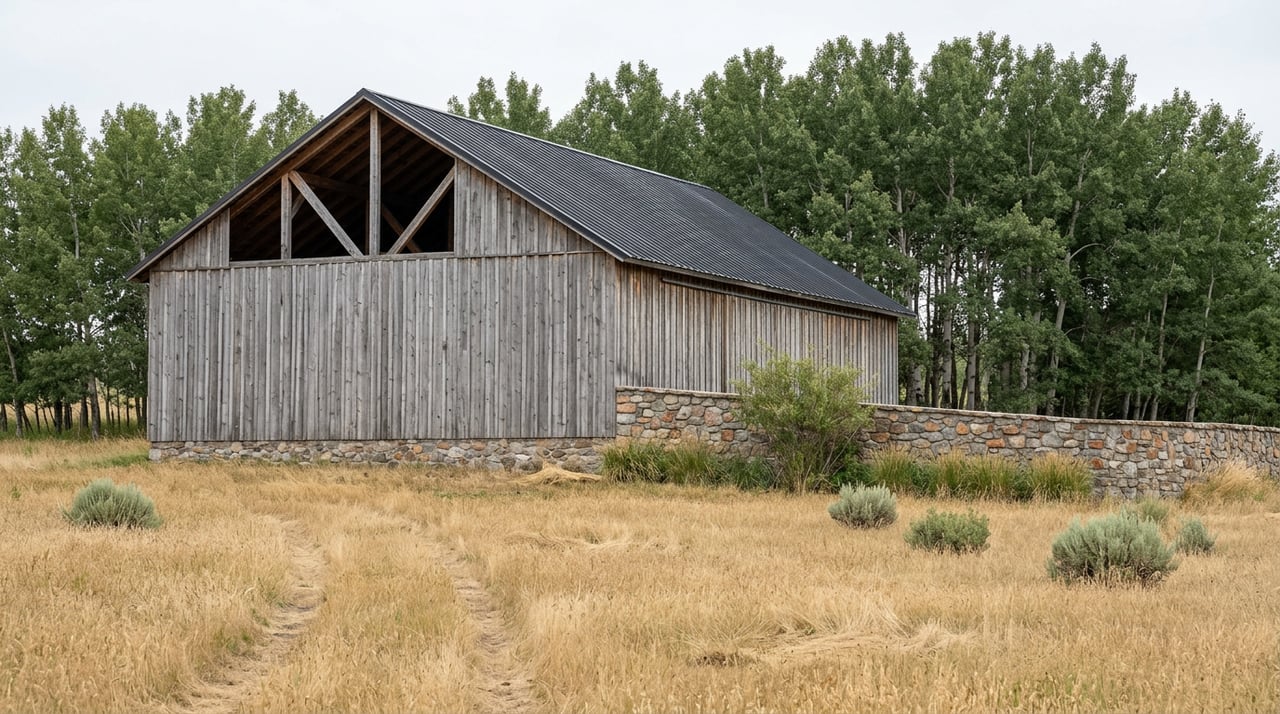
A cattle-and-horse ranch at the base of Munger Mountain went under contract on August 19. The listing describes 84 acres that have been worked by the same family for close to a century, bordered on three sides by the Bridger-Teton National Forest, seven miles south of the Jackson Town Square. The marketing copy does something most ranch listings don't: it states outright that less than three percent of Teton County remains in private ownership, and it frames the property's future, whether ranching, conservation, or development, as a choice the next owner will have to make, subject to county approval.
That single sentence, buried in an MLS description, is the whole story. When a county has almost nothing left to sell, the standard math around conservation easements stops behaving the way the textbooks say it should. If you're buying or selling ranch land here, that's the thing worth understanding before you look at a single appraisal number.
Conservation easement theory runs on a simple idea. An appraiser values the land as if it could be developed to its highest potential, then values it again as if the easement restrictions are already in place, and the gap between those two numbers is what the easement is worth. Groups that structure these deals across the Rockies, including the Colorado Cattlemen's Agricultural Land Trust, put the typical reduction in market value somewhere between 25 and 60 percent, depending on how much development potential the landowner gives up.
That formula assumes a functioning market for comparable, unrestricted land nearby. In most of the country, that market exists. In Teton County, where public land, national forest, and land already under permanent easement account for the overwhelming majority of the county's acreage, the comparable properties an appraiser would normally pull simply aren't there in the numbers a formula expects. The Rangeland Trust, which structures similar deals for working ranches nationally, has flagged the same pattern in other tight markets: conserved properties sometimes sell close to the price of unencumbered land nearby, because there isn't enough unencumbered land left to set a lower bar.
This is the part that catches people off guard in a negotiation. A buyer looking at an easement-encumbered ranch will usually argue the price should reflect the lost development rights, the same logic the appraisal formula assumes. A seller in a county this constrained has a different, and increasingly defensible, argument: the supply of open, unfragmented ranch ground here only shrinks, so the value holds or climbs regardless of what's written into the deed restrictions.
Neither side is wrong. What matters is that the argument itself is a Teton County argument. It doesn't show up the same way in a ranch market with room to expand. Anyone negotiating a purchase or a sale here should expect the easement conversation to be as much about scarcity as it is about restriction, and should walk in knowing which side of that argument they're going to make.
Before any of that valuation debate matters, a conservation easement transaction runs through a due diligence stack that surprises people on both sides of the deal. A qualified appraisal using the before-and-after method has to meet IRS and, if federal funds are involved, USPAP standards strict enough that a sloppy version can unravel a tax deduction years later. A baseline inventory report has to document the property's exact ecological condition at the moment the easement is signed, since that document becomes the reference point for every future monitoring visit the land trust conducts. A mineral remoteness assessment has to establish whether subsurface extraction is a realistic possibility, because that finding can move the appraised value substantially.
None of this is quick or free. The Colorado Cattlemen's Land Trust, which processes comparable ranchland easements elsewhere in the Rockies, estimates the full due diligence and legal package can run from roughly $88,000 to more than $170,000 depending on whether the deal is a straight donation or a bargain sale. Wyoming transactions won't land at those exact figures, but the order of magnitude, and the months of lead time the paperwork requires, is the right expectation to set going in.
Sellers pursuing an easement often count on a land trust to fund part of the purchase price through grant money, which is exactly how these deals are supposed to pencil out for a working ranch family. That funding isn't guaranteed to arrive on schedule. In 2025, a $21.25 million federal grant awarded to the Jackson Hole Land Trust for conservation easements across the Greater Yellowstone region, funded through the Regional Conservation Partnership Program, was frozen while the USDA reviewed Biden-era grant commitments. Some of the trust's other obligated funding was unfrozen not long after, but the episode was a real reminder to landowners mid-negotiation that federal conservation dollars can stall for reasons that have nothing to do with the property itself.
The Jackson Hole Land Trust closed out 2025 with 30 easement projects lined up, totaling more than 19,000 acres it intends to work through in the coming years, on top of the roughly 62,000 acres it already holds or stewards across northwest Wyoming. That pipeline is real and it's active. It's also a queue, and a family counting on a specific timeline for a specific piece of funding should plan for the possibility that the money moves slower than the paperwork does.
The word that trips people up in these documents is perpetuity. An easement isn't a lease or a covenant that lapses. Trail Creek Ranch in Wilson is the clearest local example of what that means in practice. Betty Woolsey, an Olympic skier and one of the earliest backcountry guides on Teton Pass, used the 270-acre ranch as her basecamp for decades. When she died in 1997, the easement she'd placed with the Jackson Hole Land Trust locked the property's open character in place permanently, regardless of who owns it next. The same logic played out in 2021 at Gun Barrel Flats Ranch in Buffalo Valley, once the Walt and Betty Feuz homestead, where the Luton family placed 97.5 acres bordering Grand Teton National Park under a permanent easement to protect both wildlife corridors and the working history of the land.
Neither of those families was thinking about resale value when they signed. That's worth sitting with if you're the kind of seller weighing a legacy decision rather than a purely financial one. An easement isn't a tool you use to boost a sale price. It's a decision about what the land is allowed to become after you're no longer the one making decisions about it.
If you're on either side of a deal involving easement-encumbered ranch land in Teton County, a few questions matter more than the appraised number:
Who actually holds the easement, and does that organization have the staff and funding to monitor it for decades. The Jackson Hole Land Trust's stewardship team, for instance, logs conditions on nearly every acre it holds and completes baseline reports before each new easement closes, which is the standard you want to see regardless of which trust is involved.
What's actually prohibited versus what's merely restricted. Recreational use, grazing, and even limited additional building envelopes are sometimes preserved in the document. Motorized vehicle use and hunting are the categories most often narrowed. Read the permitted-use language line by line rather than assuming "conservation easement" means the same restrictions on every property.
Whether the easement can ever be amended. It almost never can be. Removal typically requires a judicial proceeding or a condemnation action, not a conversation with the land trust. Treat the document as final on the day you sign it.
Whether the county's own land use rules add another layer. Teton County's zoning is already among the more restrictive in the state, which means an easement is often stacking on top of density limits that were already tight before the restriction existed.
Can a conservation easement ever be removed once it's recorded? In practice, no. Land trusts describe removal as possible only through a judicial proceeding or eminent domain, which is a high bar by design. Assume the restriction is permanent when you're pricing the deal.
Does an easement affect the property taxes on the land? It can, but the effect depends on how the county assessor treats the restricted acreage. Confirm directly with the Teton County Assessor's office rather than assuming a rule from another state applies here.
Do hunting and recreational rights survive the easement? Often yes for general recreational use, though many easements specifically restrict motorized access and sometimes hunting. The only way to know is to read the permitted and prohibited use sections of that specific document.
Will the land trust show up during my closing? Reputable trusts maintain a formal process for notifying new owners of an existing easement and their monitoring role, so expect a conversation with the trust as a normal part of the transaction rather than a surprise afterward.
Ranch and legacy transactions in this county rarely come down to a single number on an appraisal. They come down to whether everyone at the table understands what permanence actually costs, and what it protects. If you're weighing a purchase, a sale, or a family decision involving easement-encumbered land in Teton County, Deirdre Griffith has spent her career in the parts of this market where ranch knowledge and patient, straightforward guidance matter more than a quick close. Let's connect to explore Jackson Hole opportunities.
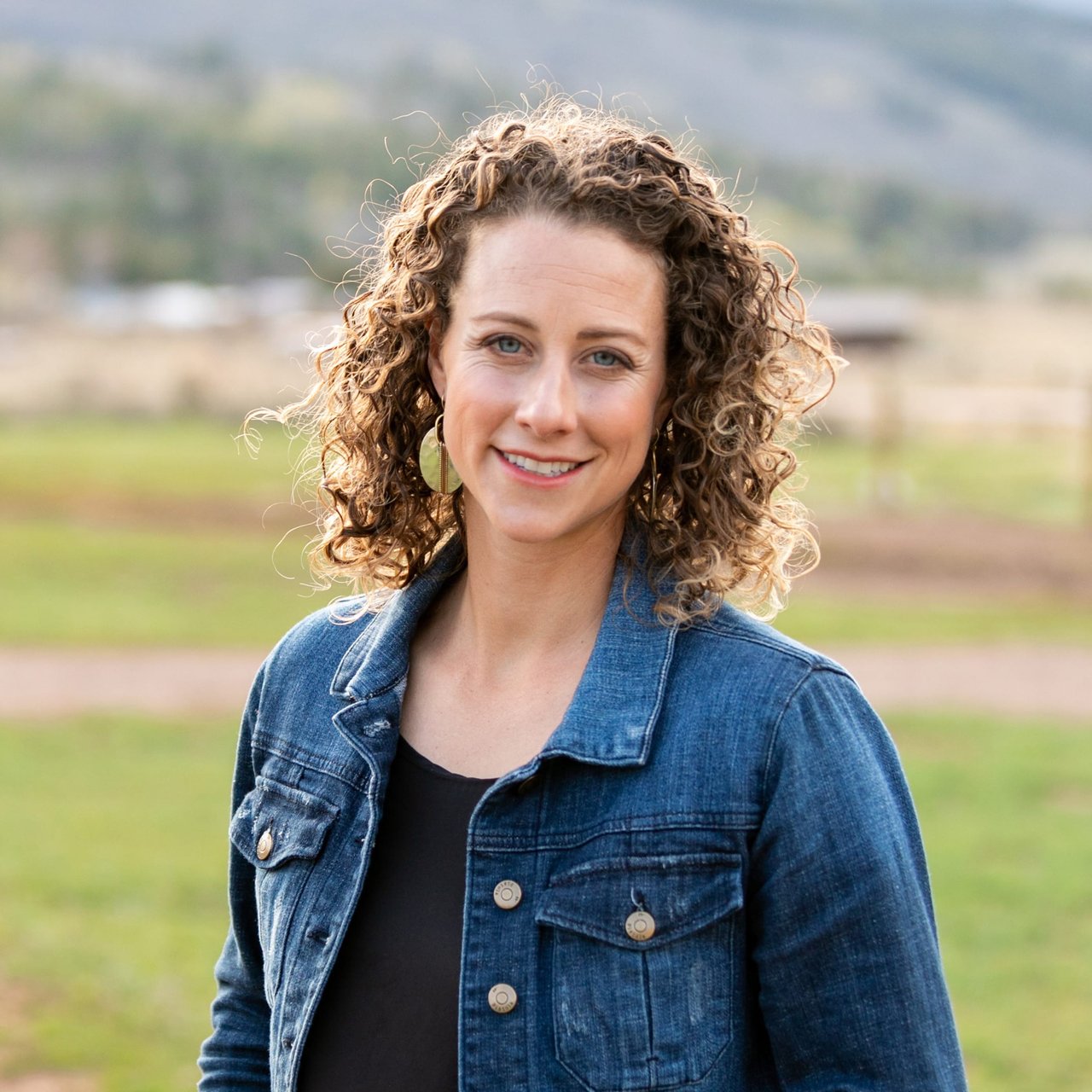
Deirdre Griffith
Deirdre Griffith has called the Mountain West home for over 15 years and enjoys all it has to offer. As a real estate investor herself, Deirdre diligently tracks local residential markets, financial markets, as well as a broad range of ranches and outfits.
Stay up to date on the latest real estate trends.
September 24, 2026
September 17, 2026
September 10, 2026
September 3, 2026
August 27, 2026
August 20, 2026
August 13, 2026
August 13, 2026
August 6, 2026
" Deirdre is hands down one of the best real estate professionals we have ever worked with. At all stages of the journey. “ - Buyer, November 2021